
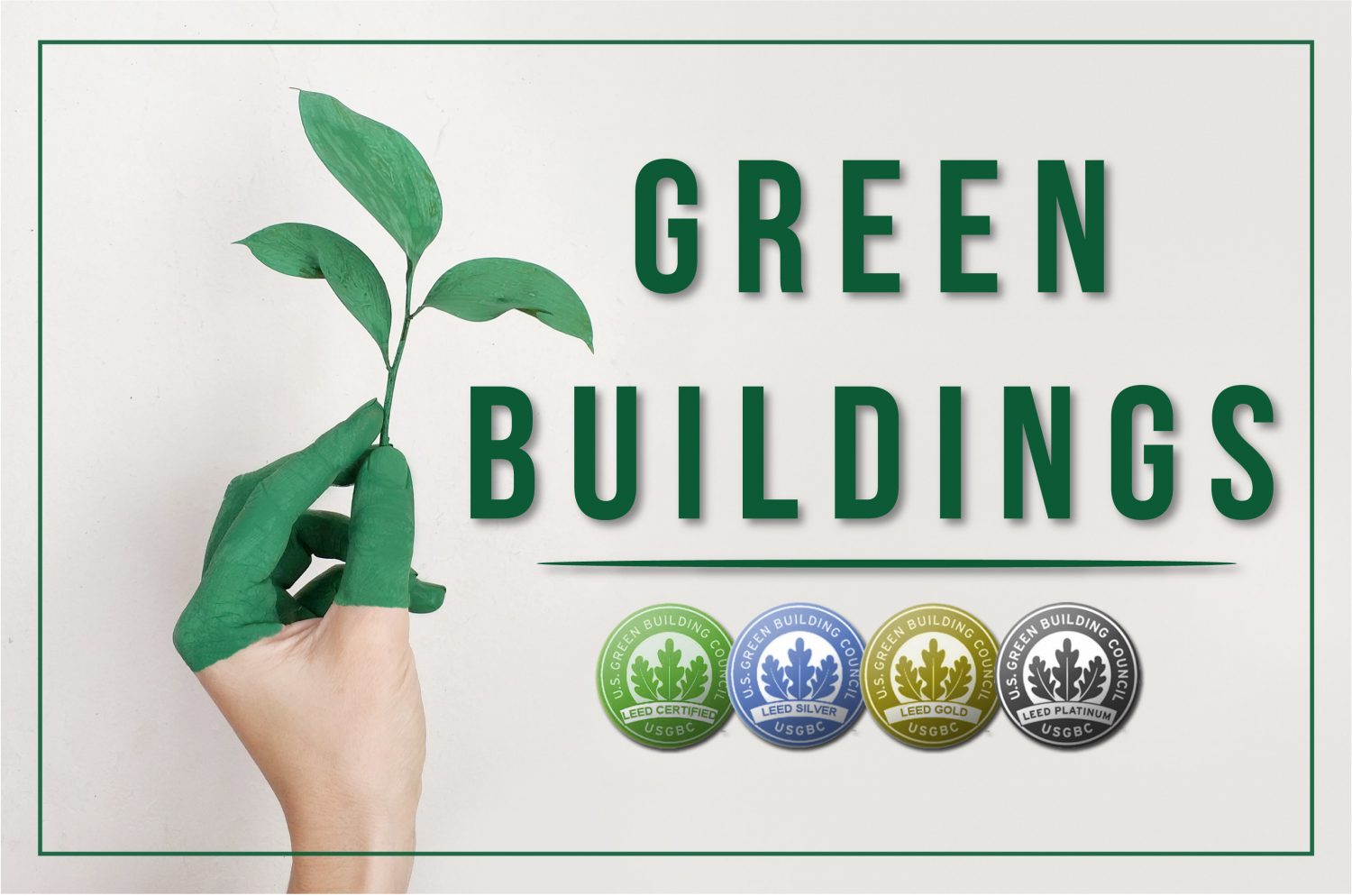
Sustainability is no longer just a trend in New York City’s commercial real estate market—it’s a value driver. From Midtown office towers to downtown mixed-use developments, green certifications such as LEED (Leadership in Energy and Environmental Design) and ENERGY STAR are reshaping how properties are priced, leased, and perceived. For property owners, investors, and managers, understanding how these certifications influence value is critical to staying competitive in one of the world’s most demanding real estate markets.
The Rise of Green Building in NYC
New York City has been at the forefront of sustainability initiatives, driven by both regulation and tenant demand. Laws such as Local Law 97, which target building emissions, have accelerated the push toward energy-efficient and environmentally responsible buildings. As a result, green certifications are no longer optional—they are increasingly expected.
Green certifications provide third-party validation that a building meets specific standards for energy efficiency, water conservation, indoor environmental quality, and overall sustainability. This validation plays a key role in shaping market perception and financial performance.
Higher Rental Income and Asset Value
One of the most direct impacts of green certification is the ability to command higher rents. Studies consistently show that certified buildings outperform their non-certified counterparts in both rental rates and resale value. In fact, LEED-certified buildings have been shown to achieve rent premiums of around 4% compared to similar non-certified properties. (LinkedIn)
This premium is driven by tenant demand. Corporate tenants—especially large firms with ESG (Environmental, Social, and Governance) commitments—actively seek out sustainable office spaces. These tenants are often willing to pay more for buildings that align with their environmental goals and provide healthier work environments.
In a competitive NYC market, even a modest rent premium can significantly increase a property’s overall valuation. Higher net operating income (NOI) directly translates into increased asset value, making certification a strategic investment rather than just a compliance measure.
Increased Occupancy and Tenant Retention
Green-certified buildings tend to lease faster and maintain higher occupancy rates. Tenants are drawn not only to the sustainability aspect but also to the improved indoor conditions—better air quality, natural lighting, and temperature control.
These features contribute to employee well-being and productivity, which are increasingly important to employers. As a result, tenants are more likely to renew leases, reducing turnover and vacancy costs for property owners.
Additionally, certifications enhance a building’s reputation. In NYC, where branding and perception matter, a LEED or ENERGY STAR label can serve as a powerful marketing tool that differentiates a property in a crowded marketplace.
Lower Operating Costs and Stronger ROI
Another major factor influencing property value is operational efficiency. Green-certified buildings are designed to use less energy and water, resulting in lower utility costs over time.
These savings improve a building’s operating margin and make it more attractive to investors. Lower expenses combined with higher income create a stronger return on investment (ROI). Over the long term, this financial performance contributes to a higher capitalization value.
Moreover, green buildings are often less exposed to regulatory risks. As NYC continues to tighten environmental standards, properties that already meet or exceed these requirements are better positioned to avoid costly upgrades or penalties.
Positive Impact on Surrounding Property Values
Interestingly, the benefits of green certification extend beyond individual buildings. Research in New York City has shown that LEED and ENERGY STAR-certified office buildings can positively influence the market values of nearby properties. (OPAMSS)
This “halo effect” occurs because sustainable buildings enhance neighborhood desirability, signaling investment, modernization, and long-term viability. As clusters of green buildings grow, entire districts can experience value appreciation.
For property owners, this means that investing in sustainability not only boosts their own assets but can also contribute to broader market growth.
Reduced Risk and Future-Proofing
In today’s market, risk mitigation is a key component of property valuation. Green-certified buildings are generally seen as lower-risk investments due to their durability, efficiency, and alignment with future regulations.
They also face less risk of obsolescence. As sustainability becomes a baseline expectation, older, inefficient buildings may struggle to compete unless they undergo costly retrofits. Certified properties, on the other hand, are already positioned for long-term relevance.
Additionally, lenders and institutional investors are increasingly factoring sustainability into their underwriting criteria. Properties with green certifications may benefit from more favorable financing terms, further enhancing their value.
Conclusion
Green certifications are transforming the economics of commercial real estate in New York City. From higher rents and occupancy rates to lower operating costs and reduced risk, the financial benefits are clear. Beyond individual assets, these certifications also contribute to neighborhood revitalization and long-term market stability.
For NYC property owners and managers, investing in green certification is no longer just about sustainability—it’s about maximizing property value, attracting high-quality tenants, and future-proofing assets in an evolving market.