
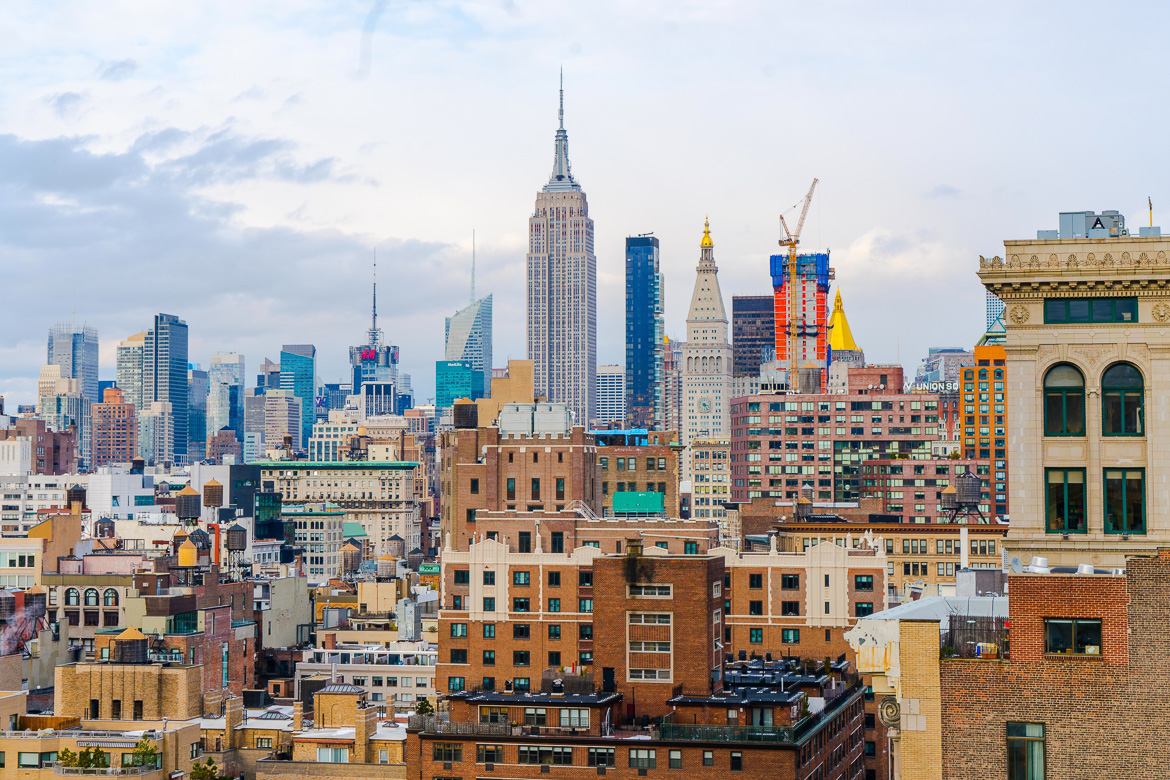
Urban commercial buildings face constant exposure to weather, pollution, foot traffic, and aging infrastructure. Over time, roofs and building facades experience significant wear that can lead to costly damage, safety risks, and regulatory violations if left unaddressed.
Routine roof and facade inspections are essential for protecting commercial properties, maintaining compliance, and preserving long-term asset value—especially in cities like New York where buildings face demanding environmental conditions.
Preventing Costly Structural Damage
Small roofing or facade issues can quickly escalate into major structural problems when ignored.
Common issues include:
- Roof leaks
- Cracked masonry
- Water intrusion
- Loose facade materials
- Damaged flashing
- Drainage problems
Routine inspections help identify these concerns early before they lead to expensive repairs or interior damage.
Water infiltration alone can damage ceilings, walls, insulation, electrical systems, and tenant spaces if not addressed promptly.
Protecting Public Safety
Facade deterioration presents serious safety concerns in densely populated urban environments. Loose materials, cracked stone, or deteriorating exterior components can become dangerous hazards for pedestrians and tenants.
Routine inspections help identify unsafe conditions before accidents occur.
In cities like NYC, facade safety regulations require periodic inspections for many commercial buildings to reduce public safety risks.
Extending Roof Lifespan
Commercial roofing systems are major investments that require ongoing maintenance to maximize longevity.
Routine inspections help property managers identify:
- Ponding water
- Membrane damage
- Drain blockages
- Flashing failures
- Weather-related wear
Addressing these issues early can significantly extend roof lifespan while avoiding premature replacement costs.
preventive maintenance is far more affordable than emergency roof repairs.
Improving Energy Efficiency
Damaged roofs and facades can negatively impact building insulation and energy efficiency.
Air leaks, moisture intrusion, and deteriorating materials often increase heating and cooling demands, leading to higher utility costs.
Properly maintained building exteriors help improve:
- Temperature control
- HVAC efficiency
- Indoor comfort
- Energy performance
Energy-efficient buildings are increasingly important for both tenants and regulatory compliance.
Supporting Regulatory Compliance
Many cities require periodic inspections for commercial roofs, facades, and structural systems.
Failure to comply with inspection requirements can lead to:
- Fines
- Violations
- Legal liability
- Emergency repair orders
Routine inspections help property owners remain compliant while reducing financial and legal risks.
Maintaining detailed inspection records is also important for insurance purposes and long-term asset management.
Protecting Tenant Satisfaction
Tenants expect commercial buildings to remain safe, functional, and professionally maintained.
Roof leaks, water damage, falling debris, or visible exterior deterioration can quickly affect tenant confidence and satisfaction.
Proactive maintenance demonstrates responsible property management and helps reduce operational disruptions for occupants.
Planning Capital Improvements More Effectively
Routine inspections provide valuable information that helps owners budget for long-term repairs and capital improvements.
Rather than reacting to unexpected failures, property managers can prioritize projects strategically and spread costs over time.
This proactive approach improves financial planning and reduces emergency expenditures.
Final Thoughts
Routine roof and facade inspections are essential for protecting urban commercial properties from costly damage, safety hazards, and operational disruptions.
By identifying issues early, property owners can reduce repair costs, improve energy efficiency, maintain compliance, and strengthen tenant satisfaction.
In fast-paced urban environments like NYC, preventive inspections are one of the most important investments commercial property owners can make to protect long-term building performance and value.