
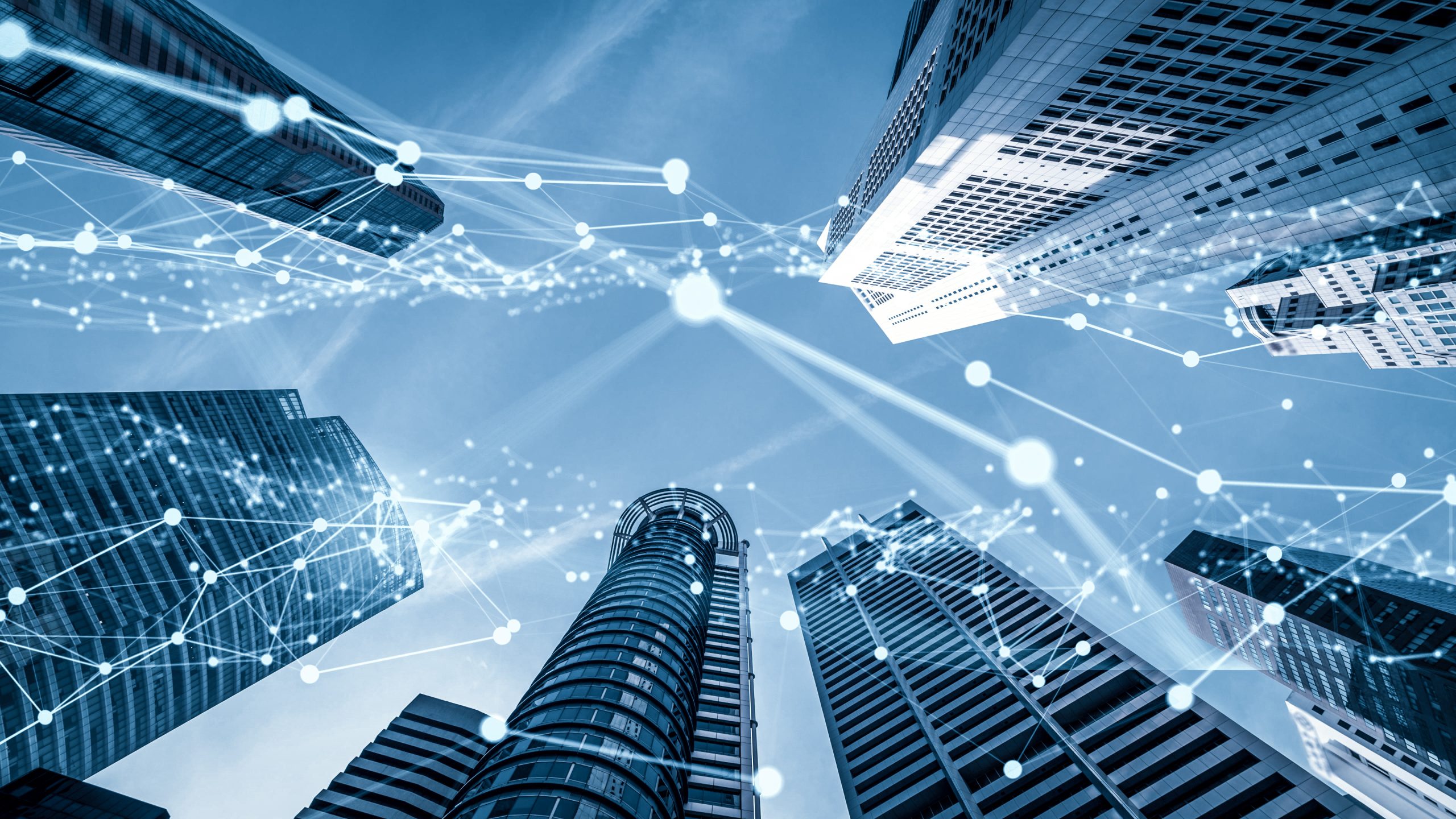
Smart building technology is rapidly transforming the commercial real estate industry. Property owners and managers are increasingly adopting technology-driven systems that improve operational efficiency, reduce costs, enhance tenant experiences, and support long-term sustainability goals.
Modern commercial buildings are no longer simply physical spaces. They are becoming connected environments where systems communicate, automate processes, and generate valuable data that helps improve building performance and management decisions.
Improving Energy Efficiency and Reducing Costs
One of the most significant benefits of smart building technology is improved energy efficiency. Smart HVAC systems, automated lighting controls, and energy management platforms help buildings reduce energy consumption while maintaining a comfortable environment for occupants.
Using sensors and automation, these systems can adjust temperatures, lighting levels, and energy usage based on occupancy patterns and real-time conditions. This reduces unnecessary utility expenses and helps property owners better control operating costs.
As sustainability becomes a growing priority for tenants and investors, energy-efficient buildings often gain a competitive advantage in the marketplace while lowering long-term operating expenses.
Enhancing Building Security
Smart security systems are becoming standard features in many commercial properties. Advanced access control systems, integrated security cameras, visitor management software, and remote monitoring capabilities help improve safety while streamlining building operations.
These technologies allow property managers to monitor activity in real time, manage access permissions more efficiently, and respond quickly to security concerns. Enhanced security not only protects assets but also helps create a safer environment for tenants, employees, and visitors.
Using Predictive Maintenance to Prevent Costly Repairs
Technology is also changing the way commercial properties are maintained. Smart sensors can continuously monitor HVAC equipment, elevators, plumbing systems, electrical infrastructure, and other critical building components.
By identifying performance issues early, predictive maintenance programs help property managers address problems before they become costly emergencies. This proactive approach reduces downtime, extends equipment lifespan, and minimizes disruptions that can impact tenant satisfaction.
Creating a Better Tenant Experience
Tenant expectations continue to evolve, and technology plays an increasingly important role in meeting those expectations. Mobile apps and digital tenant portals allow occupants to submit maintenance requests, reserve amenities, communicate with management, and access important building information from virtually anywhere.
These conveniences improve communication, increase responsiveness, and create a more seamless tenant experience. In many markets, modern digital services are becoming expected features rather than optional amenities.
Promoting Healthier Indoor Environments
Indoor air quality has become a major focus for commercial property owners and tenants alike. Smart air quality monitoring systems can track ventilation performance, humidity levels, temperature, and airborne contaminants in real time.
These systems help building operators maintain healthier indoor environments that support occupant comfort, wellness, and productivity. As workplace health remains a priority, air quality monitoring continues to grow in importance across commercial properties.
Leveraging Data for Smarter Decision-Making
One of the greatest advantages of smart buildings is the ability to collect and analyze large amounts of operational data. Information gathered from building systems can help property managers identify trends, optimize performance, and make informed decisions regarding maintenance schedules, staffing, budgeting, and capital improvements.
Data-driven management allows owners to operate properties more efficiently while continuously identifying opportunities for improvement.
Streamlining Parking Management
Parking technology is another area where smart systems are delivering value. Smart parking solutions can monitor space availability, improve traffic flow, and enhance convenience for tenants and visitors.
Some systems even allow users to reserve parking spaces through mobile applications, creating a more efficient and user-friendly parking experience while maximizing available capacity.
Supporting Sustainability Goals
Sustainability reporting has become easier and more accurate with smart building technology. Automated systems can track energy consumption, water usage, waste management metrics, and other environmental performance indicators.
This data helps property owners support sustainability initiatives, comply with reporting requirements, and demonstrate environmental responsibility to tenants, investors, and stakeholders.
Evaluating the Return on Investment
While smart building technology often requires an upfront investment, many property owners find the long-term benefits outweigh the initial costs. Reduced utility expenses, lower maintenance costs, improved tenant retention, and increased property value can all contribute to a strong return on investment.
Technology upgrades may also improve a property’s marketability and help it remain competitive in an increasingly technology-driven real estate landscape.
Planning for Successful Implementation
Implementing smart building technology requires careful planning and ongoing management. Property owners should evaluate which solutions align best with their operational goals, tenant needs, and budget considerations.
Working with experienced property management professionals can help ensure technology investments are implemented effectively and deliver measurable results over time.
Partner with FCMRE for Smarter Property Management
At FCMRE, we help commercial property owners navigate evolving building technologies and operational strategies. Our team understands how modern systems can improve efficiency, reduce operating costs, and enhance tenant experiences across a wide range of commercial properties.
As commercial real estate continues to evolve, smart building technology will play an increasingly important role in how properties are managed, maintained, and experienced. Owners who embrace these innovations today will be better positioned for long-term success in the future.