
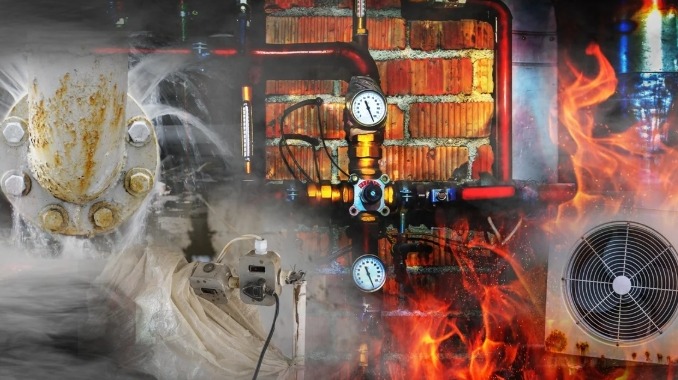
Many commercial property owners delay building repairs in an effort to reduce short-term expenses. While postponing repairs may appear financially beneficial at first, deferred maintenance often creates far more expensive problems over time. Small issues can quickly escalate into major repairs that impact tenants, operations, and long-term property value.
Minor Issues Become Major Expenses
One of the highest hidden costs of delaying repairs is accelerated property deterioration. Minor plumbing leaks, damaged roofing materials, cracked pavement, or faulty HVAC components aren’t going to improve over time. In most cases, the damage spreads and becomes more expensive to correct as time passes.
Water damage is one of the clearest examples. A small roof leak may initially seem manageable, but prolonged moisture intrusion can lead to mold growth, damaged insulation, structural deterioration, and interior damage to tenant spaces. What could have been resolved with a relatively inexpensive repair may eventually require extensive remediation and reconstruction.
Tenant Satisfaction and Retention Suffer
Deferred repairs can negatively impact tenant satisfaction and retention. Commercial tenants expect safe, functional, and professional environments for employees and customers. Ongoing maintenance issues create frustration and can damage a property owner’s reputation.
When tenants experience repeated maintenance problems, they may begin exploring alternative spaces as lease renewal periods approach. Losing quality tenants can result in costly vacancies, leasing commissions, and tenant improvement expenses.
The High Cost of Emergency Repairs
Emergency repairs present another major financial risk. Reactive maintenance is almost always more expensive than planned repairs. Emergency service calls often involve premium labor rates, expedited materials, and unexpected scheduling challenges.
In some cases, equipment failures can temporarily disrupt tenant operations or force businesses to close until repairs are completed. These situations can strain landlord-tenant relationships and increase the likelihood of lease disputes or non-renewals.
Increased Operating and Energy Costs
Building systems that are not properly maintained tend to become less efficient over time. HVAC equipment operating with worn components or clogged filters consumes more energy while delivering lower performance. Similarly, electrical and plumbing inefficiencies can gradually increase utility costs and operating expenses.
Routine maintenance helps ensure building systems operate at peak efficiency, reducing waste and helping owners better control expenses.
Safety and Liability Risks
Delaying repairs can also create serious safety concerns. Damaged sidewalks, broken stair railings, poor lighting, electrical hazards, and neglected fire safety systems may expose tenants, employees, vendors, and visitors to unnecessary risks.
Property owners who fail to address known hazards may face liability claims, lawsuits, increased insurance costs, or reputational damage if accidents occur on the property.
Poor Property Appearance Impacts Leasing
In competitive commercial real estate markets, appearance matters. Visible signs of deferred maintenance send a negative message to prospective tenants, investors, and visitors.
Cracked pavement, stained ceilings, peeling paint, damaged landscaping, and neglected common areas can reduce curb appeal and make a property less attractive compared to competing buildings. This can ultimately affect occupancy rates and property value.
Compliance and Regulatory Concerns
Commercial buildings must comply with local safety codes, accessibility requirements, and operational regulations. Postponing necessary repairs can increase the risk of failed inspections, code violations, fines, and legal complications.
Staying current with maintenance and repair needs helps property owners avoid unnecessary compliance issues while maintaining a safe environment for occupants.
Premature Equipment Replacement
Long-term capital expenses often increase when preventive maintenance is ignored. Building systems that receive regular inspections and servicing generally last significantly longer than neglected equipment.
For example, replacing an entire HVAC system years earlier than expected can be far more expensive than investing in routine maintenance throughout its lifecycle.
The Value of Proactive Maintenance
Effective property management involves identifying and addressing issues before they become emergencies. Routine inspections, preventive maintenance schedules, and detailed repair tracking allow property owners to stay ahead of costly problems.
Working with experienced property management professionals can also improve repair planning, vendor coordination, and budgeting. A proactive approach helps protect both property value and tenant satisfaction.
How FCMRE Helps Protect Your Investment
At FCMRE, we help commercial property owners implement proactive maintenance and repair strategies designed to reduce long-term costs and preserve property value. Our team works closely with trusted vendors and contractors to ensure repairs are handled efficiently, professionally, and with minimal disruption to tenants.
Conclusion
Delaying building repairs may provide temporary savings, but the long-term financial and operational consequences are often far greater. From emergency repair costs and tenant turnover to liability risks and declining property value, deferred maintenance can quickly become a costly mistake.
Proactive maintenance and timely repairs remain the smartest investments commercial property owners can make to protect their assets, control expenses, and maintain tenant satisfaction.